Free postage on orders over $99
Your Path to Thriving Plants

Many of us assume that plants are easily stressed or demand meticulous care. In truth, most greenery needs just four essentials to flourish:




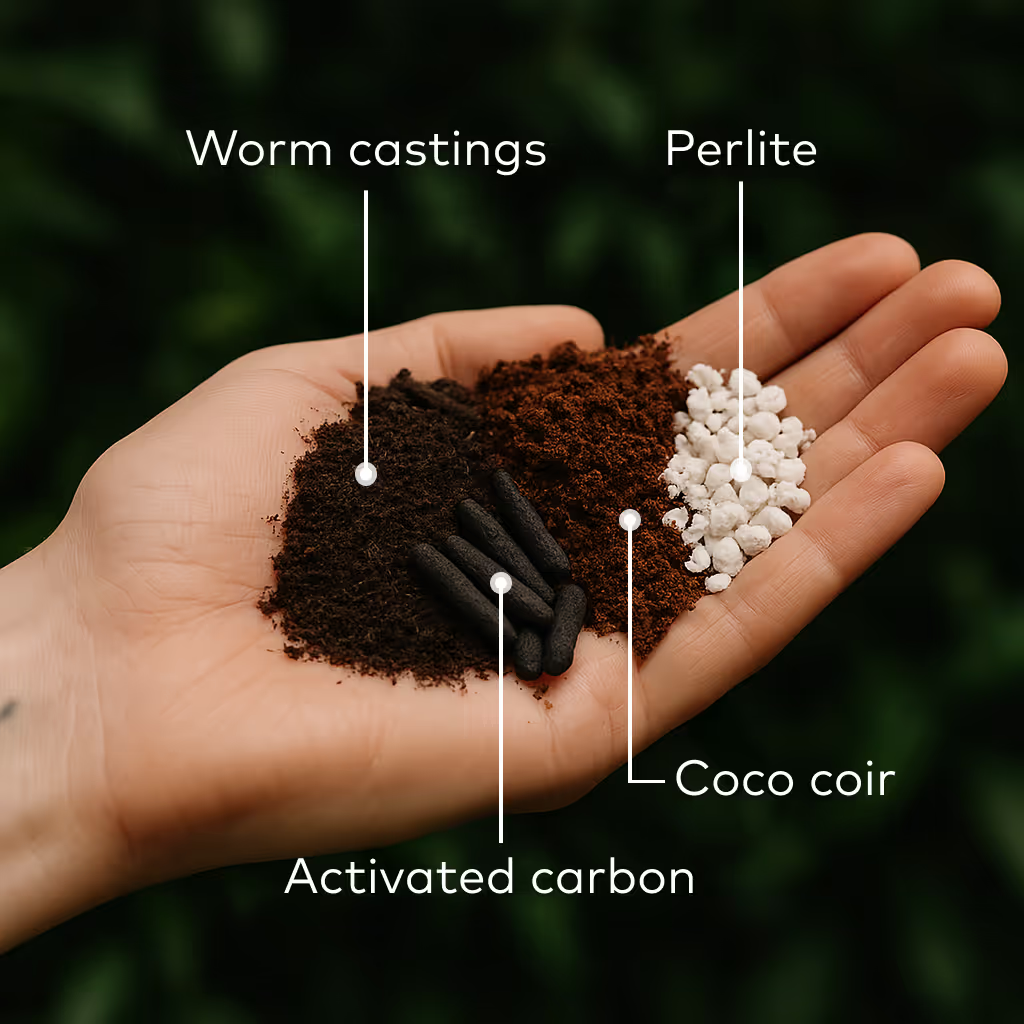
The right soil is key to healthy plants. An all-purpose potting mix works well for most houseplants, as it retains nutrients and drains excess water. Avoid garden soil, as it holds too much moisture and can compact into dense mud, restricting root growth.
For the best results, mix your potting soil with perlite using a 3:1 ratio (soil to perlite). This keeps the soil light and airy, allowing roots to breathe and grow freely. It’s an easy, affordable way to create the perfect foundation for thriving plants.
Dr Greenthumb
A great nutrient rich, ready to go option, but hard to find in stores.
Mitre 10
A solid mid range, easy to find mix.
Bunnings
It's passable, large bark chunks throughout, should be a last option.
Bunnings
We've found perlite is mostly the same, any option is great.
Avoid
The main concern is people getting soil that is too fine like dirt, pour water on dirt and it compacts and stays wet.
Avoid "garden soils" or soils with large bark chunks.
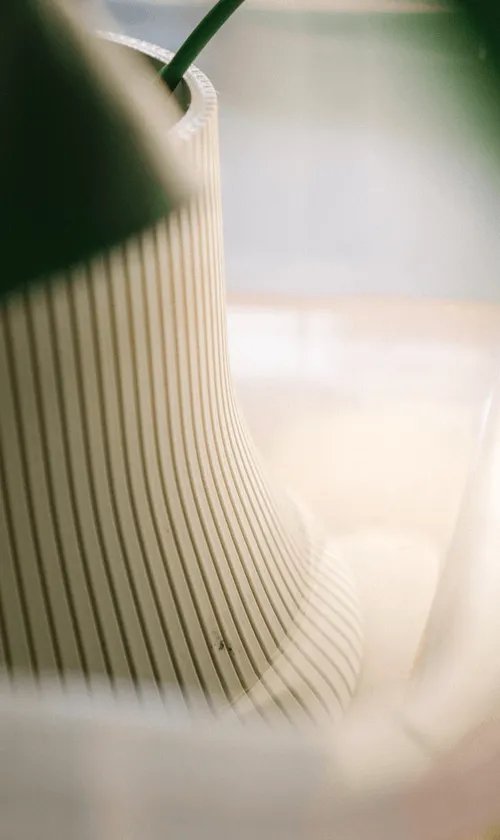
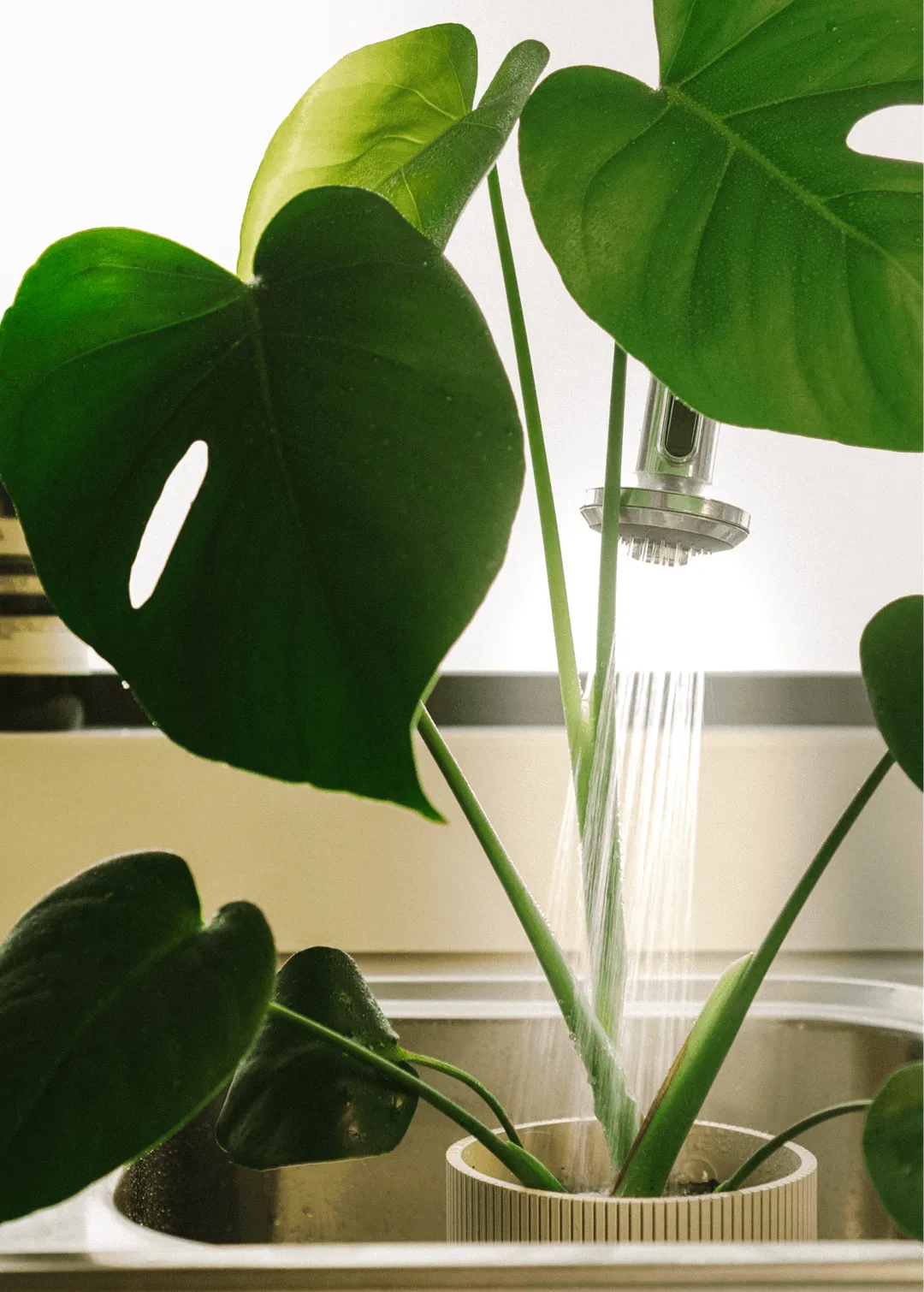
Watering doesn’t have to be tricky—your planter makes it simple. If you’re new to plant care or tend to overwater, try bottom watering. Place your planter in a sink or a plastic container filled with a few centimeters of water. Let the soil absorb what it needs for 10-15 minutes, then remove the planter and let any excess water drain out before reattaching the drip tray. This method helps prevent overwatering and encourages deeper root growth for stronger, healthier plants.
For those who prefer top watering, pour slowly and evenly over the soil until you see water draining from the base. The honeycomb design ensures proper airflow, allowing the soil to dry evenly and reducing the risk of waterlogged roots.
With a little care and your planter’s thoughtful design, watering becomes effortless—leaving you to enjoy the beauty of thriving greenery.
Plants don’t need harsh, direct sunlight—they simply need to be where light can reach them. A space with bright, indirect light—like near a filtered window or in a softly sunlit room—is ideal for most houseplants. Direct exposure can scorch leaves, while too little light may leave them struggling to grow.
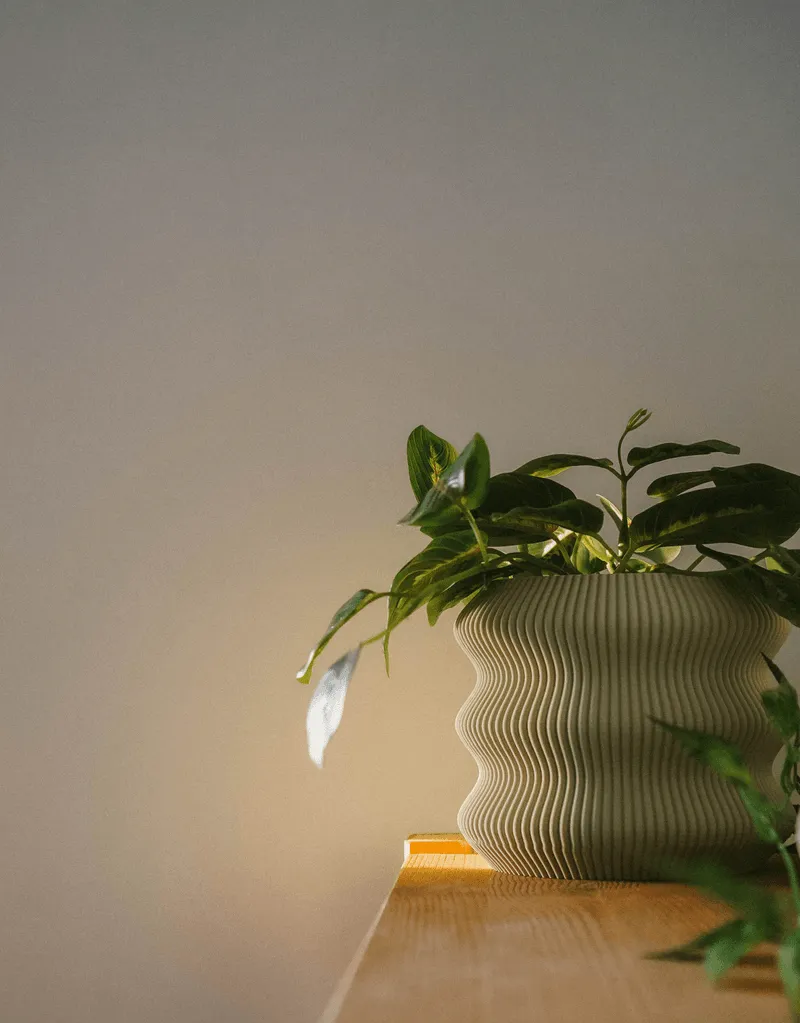
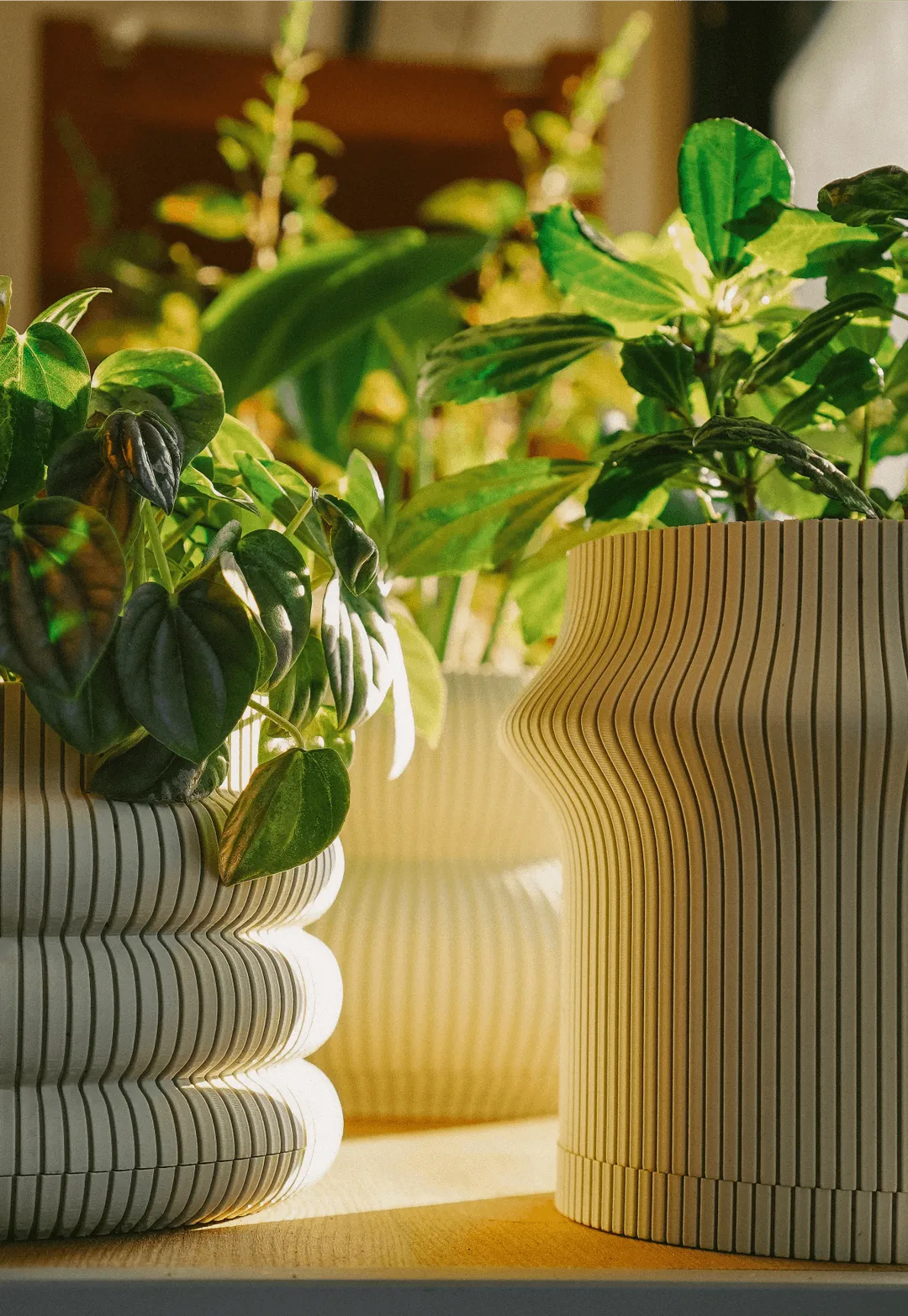
Place your plant where it can bask gently in the light without the sun’s direct touch. Over time, it will tell you how it feels—whether it’s thriving or asking for a small adjustment. In spaces with softer light, consider adaptable plants like pothos or snake plants, which find beauty in simplicity.
With the right light, your planter becomes the perfect home for growth.
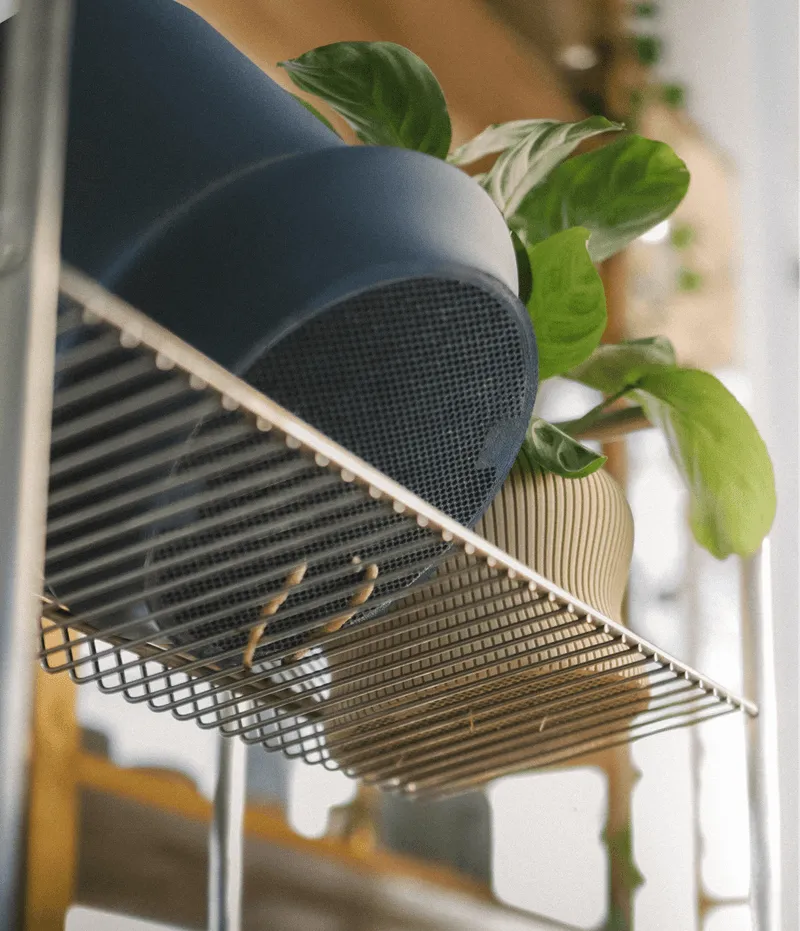
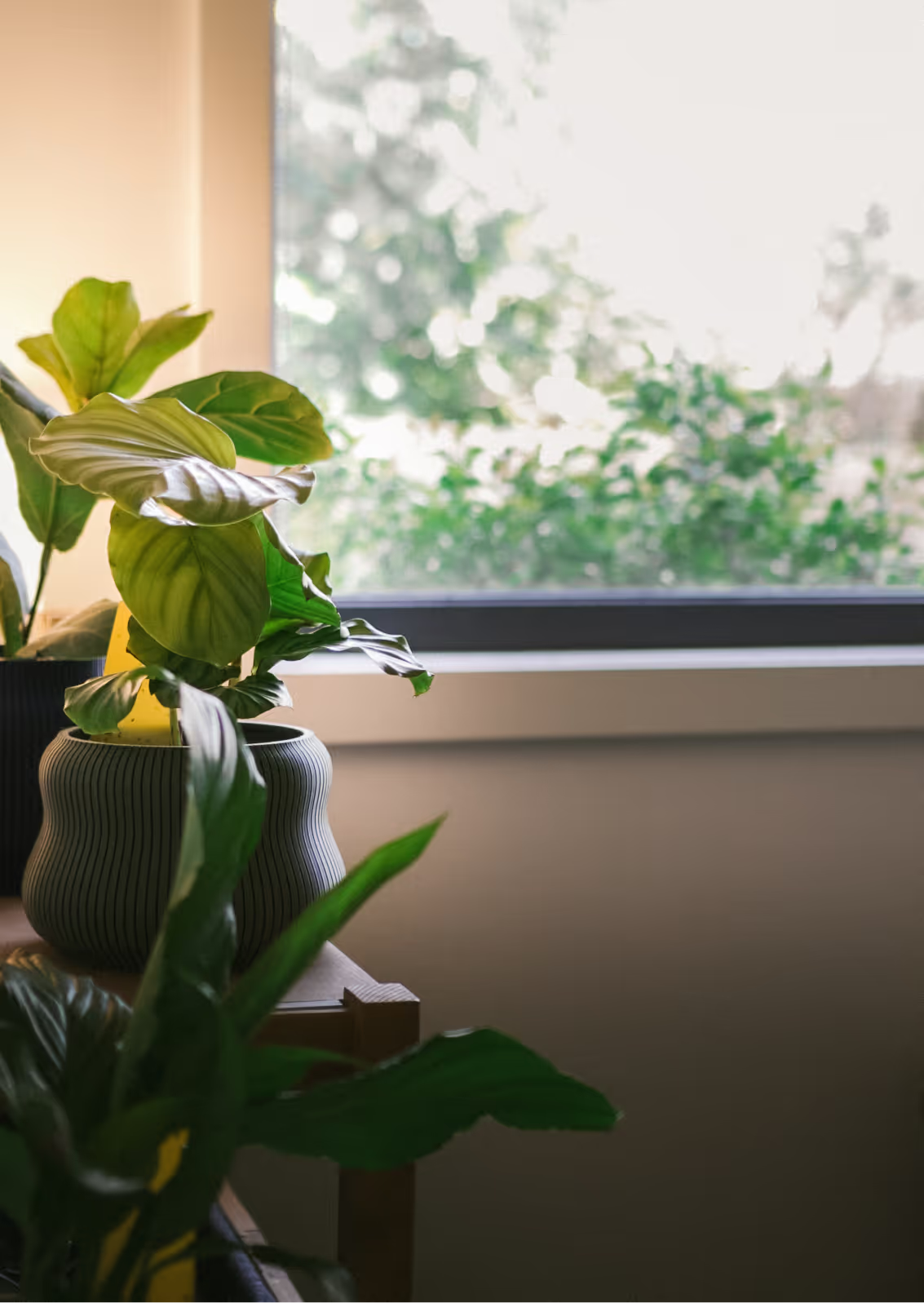
Airflow plays a quiet but vital role in your plant’s health, and your planter is designed to support it. The honeycomb base encourages circulation around the roots, keeping the soil fresh and preventing moisture buildup.
To support this natural process, ensure your planter isn’t in a completely enclosed or stagnant space. A spot with good air movement—like near an open window, fan, or naturally ventilated room—helps prevent issues like mold and keeps your plant’s roots breathing freely.
With the right balance of airflow and your planter’s subtle engineering, creating the ideal environment for growth becomes second nature.
• Want some plant guidance?